Description of the video:
[00:00:05]
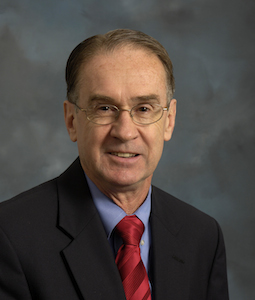
>> I'd like to welcome everyone it's a great pleasure to have us all here gathered together this day on behalf of the you know us and certainly welcome everyone to the 3rd speaker in the colloquium series as you know Dr Pate we had a very successful colloquium series now over the last couple of years and we're very honored that you're with us here today represents our 3rd speaker of the year the analysis and certainly conveys his apologies that he couldn't be here but I think he spent some time with you last night so we did and I know Dr Pate is meeting with lots of people in the schools with this to be really good experience for you so it is indeed my pleasure to formally introduce Dr Russell Pate professor in the department of exercise science in the Arnold School of Public Health at the University of South Carolina.
[00:00:48]
He said several administrative positions which include the role as chair of the department of exercise science he's also been the associate dean for research and vice provost for health science at the unit health sciences at the University of South Carolina he is an exercise physiologist with interests and physical activity and physical fitness in children and the health implications of physical activity he has published more than $300.00 scholarly papers and he's authored or edited 8 books his research has been supported by the National Institutes of Health the U.S. Centers for Disease Control and Prevention the American Heart Association and several private foundations and corporations and he heads a research team that is currently supported by multiple grants from the in age and the C.D.C. he coordinated the effort that led to the development of the recommendation on physical activity in public health of the at the U.S. Centers for Disease Control and Prevention and the American College of Sports Medicine in 1905 and he served on the U.S. dietary guidelines Advisory Committee from 2004 during 20032004 the Us physical activity guidelines advisory committee 2007-2008 an Institute of Medicine panel that developed guidelines on prevention of childhood obesity He currently serves as the chair of the National Physical activity plan Alliance and he served on several leadership positions with the American College of Sports Medicine and in 1994 he served as that organizations president he is the past president also of the National Coalition on promoting physical activity in 2012 he received the honor Ward from the American College of Sports Medicine with great ovation Let's welcome Dr Russell.
[00:02:36]
Thank. Thank you very much wonderful to be here I know the exercise physiologist in the room are going he's an exercise as you know. Used to be tried to be at least for a while. It's wonderful to be here. Great to see so many old friends and make some new friends and I'll save you know by way of introduction that there really is not or to be invited here to I you you know better than I But you know this institution has such a long and remarkable history in my field to define my field as physical activity and health and you know this institution goes way back in that domain and so it's a real honor to get to be here and I love to visit places like this one because you know when you're when you're outside a particular institution you have a you know you think you have a sense of what you know what's going on there usually it's not that accurate and you learn a lot more when you get there and talk to people and it's been wonderful to meet so many folks and I mean a few more before right before I leave and clearly great things are are going on here and it's it's a pleasure to be here just to hear about it.
[00:03:54]
So. It was suggested by my title I'm here to tell you what I think we can and ought to be doing to increase the physical activity level of the U.S. population. I'm going to take a few minutes to get to that part of the talk but that's basically what I what I'm going to do.
[00:04:20]
I'll also tell you what I'm not going to do or not spend much time on 1st I'm not going to try to convince you that physical activity is important to human health. It's pretty unlikely you'd be sitting in this room if you didn't didn't believe that. And you know I'll say Well I think the physical activity public health community has got a lot of challenges and a long way to go I think we can count as a success the fact that you're hard pressed to find anybody in this society that wouldn't say that physical activity is important to health if we've done anything we've gotten that out there people do know that so that's good to start at least.
[00:05:05]
I'm also so I don't talk about that because I don't think I have to talk about it and 2nd not going to say much about. The importance of physical activity to public health. And I could I wouldn't mind doing that. I think again you know this audience probably has a.
[00:05:29]
You know general sense that physical activity is important to public health but I'll bet even in this group there are people that wouldn't rank physical activity as high on the public health pecking order as I think it ought to be I'd love to take the time to argue with you about it.
[00:05:47]
Like a good academic there's nothing I like better than you know begin to you know an academic issue. And I think it's true in the public and really in professional settings in public you know diverse public health settings you know I think I think people don't rank physical activity as high on the priority list in public health as I think it deserves to be but I don't think I want to spend all my time today trying to change your mind about that if it needs changing.
[00:06:17]
What I am going to do is talk with you about 2 activities that have consumed a lot of my professional life over the last decade and. One of those has to do with public health guidance and speaking to the public about physical activity and what we think people ought to be doing and then the 2nd is National Physical activity plan which is a comprehensive strategic plan for dealing with the issue right promoting physical activity so that's where I'm heading.
[00:06:52]
And so 1st I'm going to give a little context about. Speaking to the public about physical activity and then I'll focus on the most recent federal physical activity guidelines which were released just about a year ago. Not quite a year ago and that I'm going to segue to the National Physical activity plan as a way of.
[00:07:14]
You know kind of getting to the point of what I think the high priority actions would be that we can and ought to take so little quick history here on physical activity guidance. You know the idea that physical activities are good for people. Not new it's not new at all I don't know that Hippocrates had much data science the way we would define it today to base that conclusion on but.
[00:07:45]
You know you pretty bright guy and I guess was able to extrapolate from his own experience or the people around him and you know there are a lot of those quotes you know just go go to Google and you can get all kinds of them you know from great scholars of history you know that just I think intuitively figured out that activity is pretty important to health and quality of life more recently.
[00:08:08]
You know I think there have been influential people speak trying to speak to the public eye maybe effectively speaking to the public in this country one of them I guess from my use was Bonnie prudent who had made the cover of one of the very early editions of Sports Illustrated and to an interesting gal I mean she she did have a bit of an academic.
[00:08:34]
Career she had hooked up with Hans Krauss and they you know they did this study that today wouldn't get published in your local newspaper. You know let alone in a scholarly journal but got it with it and sort of what I'm going to come back to sort of the relationship between science and policy but that was a hugely impactful little article.
[00:08:55]
That she was involved with times Crowe's you know they compared you know not very representative sample of American kids with a not very representative sample of European kids and the American kids didn't didn't compare very well got everybody got energized about it and jumped up and started doing all kinds of things you know and.
[00:09:15]
You know we've got 12 library just more. Information today about this and it's very hard to move policy so interesting phenomenon. You know I went to University of Oregon and crossed paths with a guy there named Bill barman who was a track coach he was a lot more than a track coach although that's what he Samus for this was in the days when a lot of coaches were also professors and you very profound proud of being a professor full professor at the University of Oregon and he took a sabbatical in the sixty's went to New Zealand saw a bunch of people running who were not athletes.
[00:09:54]
Well that's bizarre you know nobody in America would do that right and they came back and hooked up with his personal physician while the heiress and they wrote a book that took off you know it was sort of timing is everything and so barman was to you know talking to the public about about physical activity.
[00:10:13]
You know Ken Cooper came along in the late sixty's early seventy's and you know was an Air Force physician and got out of the Air Force and started an institute in Dallas wrote wrote the aerobic sport which I used as a textbook for my jogging classes when I was a graduate student at the University of Oregon and I will say if you've still got that dusted off and open it up and look at the erotic point system.
[00:10:38]
It was sexist because men were supposed to get 30 points and women were supposed to get 24 I know it I'm not endorsing that I think women ought to get 30. But if you figure out just do the math and figure out what. It takes to get 30 points in Cooper's aerobic 6 point system it's not very different from the current public health physical activity guidelines so people had a huge impact on communicating with the public and in the seventy's you know the American College of Sports Medicine which of course headquartered up the road in Indianapolis began producing it's.
[00:11:21]
On a 5 year revision cycle its guidelines on exercise testing and prescription and I'll draw your attention just to this information from the 1st few cycles are still on a 5 year revision cycle. But you know this audience will appreciate what that recommendation looked like when it 1st came out in 1975 so some of it hasn't changed that much right 3 to 5 days a week 2045 minutes duration 70 to 90 percent functional capacity people in this room know what that is.
[00:11:55]
That's intense activity they're not very many people in this room that could do what 80 percent v o 2 max for a very long time right and. But it sort of says something I think about where our field came from you know one way I sort of trace the history is I think we started dealing with this field.
[00:12:15]
At the very high end of the physical activity exercise intensity range and in a very structured approach to recommending physical activity and so these guidelines really were set up for clinical application but they had a much broader impact and I think the fact that these guidelines were getting out of the clinic and out of the lab and into the community is reflected in how these guidelines evolved so the frequency and duration recommendation didn't change very much but the intensity range came way down right to 40 to 85 percent of you and I think that was reflective of the fact that you know the science was coming along people were starting to figure out that it probably doesn't have to be a really intense highly structured activity in order to be influential in terms of health outcomes.
[00:13:12]
So it was mentioned that I was involved in that in the 1995. C.d.c. a.c.s.. Recommendation on physical activity and public health and I know people wonder they look at that and you ask how the hell did you end up as 1st author. And it's a good question. And the answer is.
[00:13:40]
I was president elect of a c s m and I was personally acquainted through the running world with some people at a c.s.m.. And I think I'm sorry at c.d.c. And I think that this was at a time when physical activity was was beginning to get something of a foothold at c.d.c. And I think folks there were you know kind of looking for.
[00:14:10]
Non-government partner to work with you know putting together something and you know so the phone rang and I said Yeah sure let's let's do it you know that's where it came from it it most definitely did not emerge from somebody looking at my c.v. and my publication record at that time and saying I was the right one to to lead the effort but I was standing there and I said yes and that's how it happened.
[00:14:35]
I should have retired as soon as this paper came out. It's only been downhill since then but. It you know timing is everything and then there's that and I think this did resonate you know it was kind of at a point where the world was ready to hear that something other than lycra was important to you know an active lifestyle and so you know I'll tell you a little story about this.
[00:15:02]
We really decided before we came together we we met in Atlanta for like a 2 and a half day meeting to figure out what to put in this in this paper. And I think we really had decided before we ever got there or what the content of the you know the core recommendation should be we spent most of the 2 days trying to figure out how to say it right and so we were a bunch of amateur Hills communication people.
[00:15:29]
We went in knowing that what we wanted to do was have a simple public health actionable message and as I had you know make no judgments about whether we got it right or not. You know we ended up saying every U.S. adult should accumulate 30 minutes or more of moderate intensity physical activity on most preferably all days of the week I can't even begin to tell you how long we spent on the most preferably all pieces you know but you know I will say this since since that 95 article our public health guidelines on physical activity have only gotten more complicated more verbose longer more bells more whistles more cavity hats more adjustments and I you know I don't I don't know whether that's good bad or indifferent but.
[00:16:21]
You know they they clearly have gotten longer and you know in that initial effort. People also started thinking about public health guidelines for physical activity and kids and the health education authority in the u.k. got there 1st as you know some folks in San Diego had done one here in the U.S. that really was sort of.
[00:16:44]
You know up for the exercise prescription approach and it probably wasn't really a public health oriented guideline so the folks in the u.k. took that on came up with this recommendation which is all children and youth should participate in physical activity that is of it least moderate intensity for an average of one hour a day so the question would be why an hour if it if it's 30 minutes for adults why an hour for kids.
[00:17:11]
Well I was there in the room and I'll tell you what I think happened. People started putting accelerometers on kids looking at the associations between objectively measured activity time spent in moderate to vigorous physical activity and kids weight status and if you looked at how that how those relationships looked at 30 minutes of moderate intensity physical activity it didn't look like it was enough and so people said Ok well we better make it more than that and so we landed on an hour or so if you think sometimes that these these are you know these guidelines are just the result of this carefully titrated examination of the science not always you know you're trying to say the best thing you can say you know that you think is consistent with the evidence.
[00:18:00]
I actually think this is work that you know it. Is worth talking to dinner last night I think people can. Have internalized the kid guideline hour a day more effectively than they've internalized the adult guideline to be really honest with a lot of people can say you know kids out to be active for an hour you know and I think it's just easy to do you recall so there was a little hiatus in the.
[00:18:29]
Late ninety's and early 2000. You know so those proclamations that I've cited kind of sat there as sort of the state of the art and then it was getting toward the end of the George w. Bush administration. And you know some people have been clamoring for hey can we get the federal government off the mark here and you know get some federal guidelines on physical activity and part of that under our breath we would say since 1980 you've been doing this for a diet you know isn't it about time we caught up here and you know did this for physical activity I didn't really think anybody was hearing it but there was a woman named Penny Slade Sawyer who was working in the office of disease prevention and health promotion in the Department of Health and Human Services.
[00:19:20]
Who was it you know you know you know influential leadership position there in that agency and it turns out she was personally acquainted with the big guy you know with with w. and from Texas and she saw an opportunity you know and basically she said you know I think there's a legacy thing here and she went went to him went to George w. Bush said.
[00:19:44]
You know I think I think we should do this and I think would be great if you could get it done before the end of your administration and he said Well Ok good for you if you can sell it to Leavitt and get him to pay for it then fine so Mike Leavitt was the secretary of Health and Human Services she sold it to him he said Ok but you've got to hurry because we've got to get this done before we leave office right and so it was a mad scramble for about a year to get this thing done and basically they dusted off the dietary guidelines protocol applied it to physical activity went through all the same steps that I'll tell you about here in a little bit and so the 1st federal guidelines came out.
[00:20:25]
There was no law no so what I tell you about Penny. But there was not then and there is not now a law that says we will have physical act federal physical activity guidelines the bill's been in or deuced multiple times. In about 5 years ago it came that close to passing and then Ted Cruz blocked it and I mean it will not use Ted's name because he deserves to have his name mentioned.
[00:20:57]
And you know. I'm sorry I've learned the hard way public policy in this country is hardball Ok it's not softball it's not got I got great data here you don't listen to me talk about my great data No it's hard it's hard ball stuff right so you have to hold people accountable.
[00:21:20]
But we do have the guidelines and fast forwarding 10 years from 2008 the folks in this you know were hoping that a law would be passed because the law probably would have made it easier for them to find the money within the agency to do it again in 2018 the bill never passed they said no we've got to do it so they found the resources to.
[00:21:47]
Update the physical activity guidelines for release in 2018 so this is what the process looks like it starts with appointment of a so-called Faca a federal advisory committee which comes with a lot of reviewing and screening and bureaucracy and stuff but eventually some people get appointed to a scientific advisory committee that committee meets still it drops a lot of public meetings and endless number of conference calls the rule is if half or more of the committee convenes it has to be public which means either in person you know with the door open or if it's a conference call it's got to be publicly announced and you know the public can call in and listen and so on so we don't do that very often but there are a lot of committee meetings that are by conference call goes on for about 2 years eventually that that committee produces a.
[00:22:47]
Scientific report that summarizes the relevant science and then turns that over to the secretary of Health and Human Services who tasks the staff in that in that agency with developed taking the science the summary of the science and translating it to the public health guidelines and then that is eventually released to the public and that happened for the $2800.00 version of November of last year.
[00:23:16]
So for the 2018 iteration of the guidelines these are the subcommittees that were established and you know these decisions are made kind of at the very beginning of the process so to be honest with you. You know how how the how the committee decides to organize itself has a big impact on what comes out the other end because you can only do so much you get a sort of the limit the task and so you can see what the committee going in thought it was going to focus on so the Aging Brain Health Brain house was not there as a focus area in 2008 was in 2008 team cancer cardio metabolic health dose response relationships.
[00:24:03]
Chronic conditions promotion of physical activity which all come back to sedentary behavior which of course I have something to say about here a little bit and and use which was the committee that I was focused on so question is what came out of this 2018 process and I can tell you right now.
[00:24:27]
The core guidelines for adults and for school age kids really did not change so some people look at that and they go well that's boring you know. You did all that spent all that money all that time and they didn't you well Ok let me give you my admittedly biased spin on that Ok I think they didn't change because they're both grounded in a very solid science that you do not expect to whiplash all over the place in a decade right I mean I really think if the science changed.
[00:25:05]
You know the conclusions of the report and ultimately the guidelines would change and they may at some point I mean there are certainly issues that. You know may may result in a modification of those guidelines. But you know that was not the case here with the 18 guidelines that were released so for adults it remained 150 to 300 minutes of at least moderate intensity activity less time if the intensity is higher some sliding scale combination of the 2.
[00:25:40]
Erotic activity should be ideally distributed throughout the week and also person should perform resistance exercise at least 3 days a week so that that's not really different from what was there a decade earlier in the same is true for school age kids and how are moderate to vigorous physical activity vigorous at least 3 days a week muscle strengthening and Boehm strengthening activities also at least 3 days a week so not not a change there.
[00:26:10]
But there were new things in the in the scientific report and in the guidelines this time around and I think it's worth noting those because I think it does show how the field is is evolving so one thing that we dipped our toe in the water this time and I predict that 10 years from now you know the group will do a lot more with us you know so much of what has constituted the scientific evidence that our field is grounded in is based on epidemiology and sort of.
[00:26:47]
You know experimental trials focused on either non communicable disease outcomes or the physiology that sort of links to. Get to those outcomes and. Not nearly as much of our research is focused on the very short term either immediate or near term changes that result when someone increases their activity level so.
[00:27:18]
Somewhere here there is a connection between physiology and psychology and I think our field is starting to pay attention to more effectively. You know how many people in our society really can think about some wonderful health outcome that may be there when they're 65 years old and they're right now they're they just graduated from college and they're trying to figure out what their life's going to look like I'm sorry that that's probably just not that God knows there are people that are very disciplined and you know they say God I see I should do that and and they figure out how to do it maybe has 10 percent of the population that's not most people most people are just trying to figure out how to cope right and you know get through the day of the week and you know they get kids hang in here and you know 2 jobs and you know it's it's it's a challenge so I think it's more realistic that the real drivers here are more proximal And it's you know seeing change you know either immediately or in the very near term or in a matter of you know kind of kind of weeks you know but not years right and so there was some focus on the short term benefits this time quality of life reduced to hangs a blood pressure insulin sensitivity and so on my prediction is that column is going to grow the next time all right and I and I think it I think it should other also additional long term benefits you know the science supporting physical activity and health.
[00:28:57]
It just gets stronger every month you know it just keeps keeps mounting you know and. And then also we're learning a lot about the impact that physical activity can have on persons who already have chronic conditions of one sort or another and you know that's a growing body of evidence as well that I'll say more about here in a bit so you saw that I chaired the use committee and I chaired it in 2008 as well in 2008 we were not able to say anything about physical activity and kids under age 5 or under age 6 and.
[00:29:39]
Consequently the guidelines in 2008 didn't say anything about physical activity in and kids younger than 60 but that's Jan The science has changed and you know we certainly know more about physical activity and health in that in that under 6 age group most of what we know is in kids 3 to 5 we don't yet know much about kids under 3 and.
[00:30:03]
Microbes are actually working on a project right now with can with kids from 6 months to 36 months of age but we have a long way to go with you know with with kids younger than 3 but there's quite a lot there on 3 to 5 year old kids and so there was enough in the scientific report to inform at least the beginning of a guideline for kids in the 3 to 5 year age group and it basically says preschool age kids should be physically active throughout the day to enhance growth and development adult caregivers of preschool age children should encourage active play that includes a variety of activity types if you read a little further down there is reference to 300 minutes of physical activity that's total physical activity like moderate intensity.
[00:30:47]
And that's about the median level for the 1st 3 to 5 year old kids so we'll see maybe that moves up in the you know into the headline the next time. So we're hearing a lot about sedentary behavior these days and to be really honest you know we were impaneled to inform the physical activity guidelines right not the sedentary guidelines so we had to think about you know how are we going to handle this knowing that you know lots of people are interested in sedentary behavior these days.
[00:31:21]
And so where we where we landed was to focus on the interaction between sedentary behavior time spent sedentary time spent in physical activity and. You know we went through about 30 iterations of this heat diagram I hope you like this one because it's the one we ended up picking but.
[00:31:45]
So this is this this is drawn from a from a large scale study that all 2nd in the u.k. published a few years ago that it is essential is intended to look at the interaction between time spent sitting in time spent. In moderate to vigorous physical activity and that in the take home message here is if you're meaning the physical activity guideline you're out there at kind of at the higher end of the activity continuum sitting probably doesn't have a big impact on your health outcomes but of course most people are not meeting that guideline they're kind of back at a lower activity level and the lower your activity level the more impactful your time spent sitting is on health outcomes so we tried to show the interaction between the 2 take home message move more sit less not sure that should be the physical activity guideline but that's another whole discussion that we could have some time so we tried to try to you know bring together those $21.00 of the toughest communication challenges I think around this whole issue is on the one hand to put out there it discreet guideline you know that 150 to 300 minutes of you know moderate rigorous physical activity and at the same time effectively tell people well if you're not meeting that guideline just do more and you'll benefit if you do but that is the truth and I don't know if this is going to work or not but.
[00:33:21]
You have also you know I call him the patent burger curve you've all seen these are you can sort of you can kind of put whatever on the you know on the horizontal axis here you know it can be heard disease outcomes type 2 to you name it right they all kind of look the same but you know if if meeting the guideline is in here which of course is where this curve levels off you know kind of gets down about as low as it's going to get it but you can see moving from there you know kind of no reportable physical activity just to they're halfway to the guideline you know has a big risk reduction effect so the you know the challenge is figure out how to point at that level as a guideline this is what we want people to aim for and at the same time say if you're not doing that at least you know get down that curve always right and if I mean it's a health communication nightmare you know to really try to figure out how to get that out there the science is fairly straightforward and people in this room can understand the point but how you get that out there you know and Shape magazine or somewhere you know it's just it's hard because that's where people get their health you know or on the internet someone.
[00:34:40]
We didn't hear much about Brain Health in 2008 there was a big focus on it this time both cognition and you know dementia quality of life a kind of a broad constellation of factors were studied in that area and you know a lot of positive findings and reason for recommending physical activity for that purpose and the same is true with the chronic conditions there were there was a huge effort made this time to review the effects of increases at all activity and persons with kind of the full range of chronic health conditions and the mindset was not as physical activity cure these problems it is what does physical activity do to its or other health care or wrist aches in persons you know with the fill in the blank major departure in 2018 was the inclusion of a major component of the report and ultimately the guidelines themselves based on the physical activity intervention literature so.
[00:35:53]
You know it was mentioned that I did the dietary guidelines once on the physical activity lines twice and the 1st dietary guidelines experience on the 1st physical activity experience when like this. You guys get between the lines and stay there all right your job is reviewed the literature the scientific literature on the relationship between this behavior and health outcomes right we'll figure out later.
[00:36:22]
What to say about all that right that changed in 28 team and this time it was decided upfront. You know by the feds that the intervention literature on physical activity should be should be reviewed and then reported out both in the scientific report and in the guidelines and it was a Herculean task you know Abbie kangen you know that committee I know worked very hard to try to review that you enormous and growing literature and I refer it to you but they looked at a lot of different intervention settings and and strategies and you know tried to rate the literature there so that's what I think a little new maybe a lot new in some cases and.
[00:37:13]
I was pleased that when this all rolled out. A figure a lot like this was included in the in the material that h.h.s. released. It basically is intended to say. You know there's not going to be a magic bullet here you know we're not we're not going to find one you know perfect solution to promoting physical activity in the population we're going to have to hit this in every sector of society in every way that we effectively can which was I thought a perfect segue to the National Physical activity plans I'm going to tell you a little bit about the history of the plan and then use its content to tell you about some high priority steps that I think we should take so you know.
[00:38:02]
National plan is a comprehensive set of strategies that include policies practices initiatives aimed at increasing physical activity in all segments of the population so this is the development of the plan started in 2007 when some folks at c.d.c. were preparing for the release of the 2008 physical activity guidelines and I think we're aware and right that just having guidelines all alone was not going to you know shift physical activity in the population and they felt there was a need for a companion.
[00:38:40]
Resource that would in a sense build out from the guidelines. So you know we pulled together a group of people that you know kind of developed a process that is still active in evolving today there was some c.d.c. funding to get going we formed a very small Coordinating Committee began approaching national not for profit organizations to put money in the pot.
[00:39:08]
We said to ourselves at that point. You know we could probably get this going with the money that c.d.c. made available but that that's really it not a good idea Ok the better idea is let's see whether people are interested in this or not and if they weren't willing to.
[00:39:27]
You know what let's put it this way if a large organization like the American Heart Association is not prepared to put 10000 bucks into something that and we're probably not ready to do it right so why why full with it and so that we said Ok you want to be at the table with this thing you know write the check for 10 k. and you're in and so you know if you'll see about 20 organizations did and you know that was encouraging I guess that they were willing to do it you know we had a meeting in d.c. there's a lot of people came to and I'm kind of fast forwarding here but in 2010 the 1st National Physical activity plan was was released.
[00:40:08]
We had been scrambling full tilt for 2 or 3 years to get to that point and I honestly had not thought very much about what was going to happen after that we knew that. Based on the history of national Siskel activity plans in other countries most of them die all right this big big process you know usually government mediated and you know to develop the plan and then if you look around 3 or 4 years later that you know it's just the Web sites dead.
[00:40:43]
It's gone right nobody nobody don't want it and you know or you know the administration turns over and there's a new agency had and it wasn't their thing and you know so if it's gone well. You know I thought the people at c.d.c. were wise. To face this thing or encourage us to base it outside of government so this whole thing for 1012 years has been pretty connected to government but not in government right so it's based out in the private sector.
[00:41:17]
But 2010 came we released the 1st plan. And at that point it started to look like this thing was going to fizzle Nope no existing organization really was picking it up we offered it and c.p.p. hey that kind of didn't really work out and so about a year went by and you know we sort of looked at one another and said we we better do something to say it's going to fizzle away and so we created a 5 a one c 3 National Physical activity plan alliance.
[00:41:51]
And launched into developing a revision an update had a 2nd meeting in d.c. and in 2016 released a fully updated National Physical activity plan these are the logos and names of the national for the most part national. Not for profit health organizations I'll say see a sound that I know many of you are close to this key supporter of this as has been American heart but there are a lot of smaller professional organizations that.
[00:42:23]
You know the National Academy of can he see how edgy and the American Can he see how much he Association and and some big health organizations American Cancer Society Diabetes Association and so on so it's a real mix of organizations that have been involved in this thing. So it's a coalition you know managed by a board with members from those organizations that have committed funding and.
[00:42:54]
In 2013 this new 5 a one c 3 rolled out the mission is basically to maintain and nurture the national plan and try to expand its its impact and so little bit now about the content organizational scheme and content of the current national plan is working organized around 9 societal sectors you know we thought a lot at 1st about how should it be organized around age groups or you know some other way of you know some other scheme and the reason that we landed on sectors was that we do this thing was going to be comprised of a bunch of policy recommendations and so on and it just seemed like talking to a particular sector was maybe the best way to do this but I admittedly there are other ways of doing it.
[00:43:45]
You know between the 1st iteration of the plan and the 2nd one a couple things change we had 2 sectors one was face based that was a mistake the 1st time I don't know how we missed that but there wasn't that was not a sector in the you know in the 1st iteration and I think we hadn't even released the 1st plan before it became pretty clear that was a mistake you know.
[00:44:08]
So we corrected that and we also added a sport sector sport was sort of embedded in one of the other sectors and. You know I think people in this room know there's a lot of interest right now in sport as. As a means of promoting physical activity at the population level and if you were paying attention to the news you know the.
[00:44:33]
Department of h.h.s. just within the last month released a huge sport strategy the whole back story that I'll tell you later if you want. But you know sports you know getting some real focus in in the physical activity public health arena these days so the plan if it's anything is comprehensive right it's a ton of stuff.
[00:44:59]
Across all the Dion sectors 50 strategies and $264.00 tactics and a bunch of objectives under many of the tactics so it's very detailed. You know do we expect anybody to do all that now of course not now I mean it's a menu right and I honestly the idea is because these are all vetted by expert panels that are that have expertise in in the various areas.
[00:45:26]
These are all evidence based is the evidence uniform Well God Now you know I mean it it goes from you know there are 50 you know clinical trials that have shown something to you know that this is been tried on a large scale in Idaho and it produced some nice outcomes right so it's a you know highly variable levels of evidence but I don't think there's anything in there at 4 for which you'd say this is a pipe dream nobody's ever done this and you know we have no idea whether it works or not so they're all evidence based.
[00:46:01]
In a sense the idea is if. Do some of the work for people who are interested in acting in this area right so they don't have to do their own let's search right it's sort of Ok here's some stuff that a group of experts think is you know is worthy So when we updated the plan we had to to see new sectors added objectives revamped a lot of the strategies and tactics and I'm now going to cherry pick.
[00:46:32]
Out of out of all that and and tell you 10 of these that I think. If we did them all and I'm not saying any one of these would move the dial but I think if we did did a good job with all of these it would have a real impact.
[00:46:50]
So how did I pick these. Well for each of these I think there are there is there is good evidence to show that you know that the initiative can work right that if implemented with fidelity that it it can produce change and physical activity in a target audience.
[00:47:12]
And in this is that I think the important part and it has been tried in the real world right so these are not just scholarly you know research products that you know there there's evidence that you know there can be uptake on these things and you know in communities or you know in a practice setting.
[00:47:35]
So. A few of the strategies in the in the plan we refer to as overarching strategy so they're not buried in one of the sectors there they were they were drawn from the review across the content of all the sectors and you know about a half dozen of them and the idea is these really are.
[00:47:59]
Broadly impactful. Cross-cutting strategies and if we acted on the strategy it it would. Be important across multiple sectors right Ok so here's 11 of my favorites as establish it c.d.c. and office of physical activity and health and you know what's that mean you many of you know there's already a physical activity branch in the.
[00:48:31]
Division of nutrition physical activity in obesity in the chronic disease center it at c.d.c. And you know great people you know doing a good job they're working hard Ok so this is not intended to you know cast aspersions that you know what we do have right now. What we do have right now is in the context of the federal health bureaucracy tiny.
[00:48:59]
I think you may be surprised to know there has never been a federal appropriation by Congress specifically targeted at physical activity in public health now c.d.c. has been working on this for quite a long while always by pulling resources from discretionary pots right where they could but it's never been Congress said you guys need to get on this and here are some money to you know to work on it.
[00:49:28]
And that was true the guidelines you know it was just Health and Human Services carved out the money from you know wherever they could find it. It's but you know. We are serious about things we figure out how to how to deal with it and so the model that we've sort of had in the back of our minds for this is the office on Smoking and Health right which has been there for a long time decades.
[00:49:58]
Yet we've produced surgeon general reports on Smoking and Health year after here after so how how many how many surgeon general's reports on physical activity if we had to see a little test one quite a long while ago. And. We're we're just not investing Ok And because of that there really is not a negative comment on the folks that are there they're doing the best they can do with the resources they have but you know our Department of Health and Human Services is not seriously invested in this issue and so think of this office of physical activity and health a sort of a metaphor for what we ought to be doing it is get invested in this issue you know how things work you know and not much money stays at CDC very long most of it flows out to the state health departments and you know other other on the ground entities and that's what we need to be doing you know we need to build a public health infrastructure in this country that is dealing with physical activity you know we're never going to solve the problem just by scrolling money at it strew the through the Department of Health and Human Services.
[00:51:15]
But there is some level of investment that I think you've got to have there. To provide leadership and you know what public health does people in this room know very well is mobilize resources for murder you can find it in communities and states and coalesce it bring it together and focus it on solving a problem but it takes leadership to do that and I just don't think we're for sufficiently.
[00:51:41]
Invested at the at the federal level right now a 2nd is another you know core public health function Ok that the strategy is establishing a robust and comprehensive surveillance system for monitoring compliance with physical activity guidelines we do some of that now. And what we do almost nothing with is monitoring the status of environments policies and programs that we know impact people's physical activity.
[00:52:11]
So you know it's a sort of a promise in public health that you deal with the issues that you monitor right so surveillance is a core public health function and you know it's not like we don't have any resources for physical activity we have some but I describe it as Swiss cheese and I think there's some substance there or there are an awful lot of holes and in the system and we need to we need to improve that and there have been a number of groups over the last 23 years that have made recommendations through the.
[00:52:47]
National Academies of Science regarding enhanced surveillance or physical activity. There may be some people in this room that were the right age to be targeted with a verb you may remember a verb the verb Now Ok so we've never done in this country a true national Sissoko activity campaign you know large scale media based campaign.
[00:53:15]
And I think we if it was designed right and resourced adequately I think we should do it and I think it would I think it would help if we did that we've not ever done that what we did do. Or we have over 15 years ago now is something called the verb campaign.
[00:53:32]
It was before social media so I'm not sure what they actually did with you know with any longer generalized to the world today but. It was well resourced the congressman was it was when the government had money and a congressman was retiring they asked him what would you like as a going away gift he said Well I'd like I'd like to do something for child health so they appropriated a bunch of $1000000.57 I think it was sent the money is c.d.c. it took them about 2 years to figure out how to spend it and lo and behold they decided to do a physical activity campaign aimed at tweens right so I was around the edge of this thing on a sort of a visor Evaluation Group so I sort of saw what they were doing and I remember thinking.
[00:54:24]
This is great God and I'm excited we're going to do this and then my 2nd thought was not a snowball's chance in hell this thing is going to do anything. And I was wrong it did they designed it really well did a lot of. Market research with kids.
[00:54:44]
Segmented the population you know so it was the goth kids in the you know you know the jock kids and they you know they knew all the you know all the groups and they bought a bunch of Nickelodeon time and and and arm twisted and got a lot of free time to cook to go with the time they were paying for and they had a very clever evaluation strategy I thought because they knew in each media market in the country how much exposure there was and it wasn't uniform it was highly variable across you know media markets in the country and damned if they didn't show an association a change in physical activity in the kids in that in that age group.
[00:55:27]
Associated with the you know level of exposure to the you know to the campaign so you know I think there's evidence that we could do this if we you know if we put our mind to it I wish we would go for verb look for verb search search verb Google for Ok Now some that are specific to the.
[00:55:48]
Individual sectors you know in the education sector Hi You know I don't need to tell this group are long we've been trying to. Create a more robust physical education. Effort in this country and you know I'm not saying we should give up on it but I'm more encouraged about what's happening with something called the Comprehensive School physical activity program model and it says yes what yes we should do the best we can do with p.e. but we should also have kids active in the classroom we should have active transport to and from school we should after some of it active after school programs recess in the elementary schools as we should make we should make schools.
[00:56:29]
A place where kids are consistently active and you know I can't think of a better way to describe what I think the norm is right now I think it is cruel and unusual punishment to take a 9 year old kid and make him sit all day I would watch to do that I don't want to do that today and a long ways from 9 years old not you know in that's what we do you know we condition kids we teach them how to be inactive for extended periods of time and we need to quit doing that they don't learn they don't learn optimally you know that way and so I mean courage to about this this effort you know this is kind of the graphic that you know captures the model but I'm encouraged that you know there's some major effort c.d.c. has a has a I think a well developed program around the comprehensive school physical activity program shape America the you know professional society has a lot of activity in this area so I think it's getting some traction in the public health sector you know the currency of the realm is building cross-sectional partnerships and coalitions and you know I think we just need a lot more public health agencies.
[00:57:45]
Focused on that. You know I think and I hope the situation in the state health department in Indiana is better than it is a lot of places but you know so many public health state public health agencies are just hollowed out you know I mean if if there if there's federal money to support something then then you know they mobilize and get the money and do the work but states are not funding their public health departments very well and you know so you know I guess the progress is most states do have it least a person that's charged with physical activity promotion as part of the job Some have you know you know greater investments in personnel but we need.
[00:58:31]
You know we need a better investment at the state level so that public health agencies can do what they do well when they have the resources which is bring people together and. And change communities and you know this does happen some places and you know I've got I love what they do they're told pull this up sometime if you want.
[00:58:55]
If you want your mood lifted little pet Ok look at it look at what the active living council in San Antonio has done and got it it's just if you like public health it it got it's just so good you know and there's nothing mysterious about it but you know they have just pulled a lot of people together you know around this issue and they've done nice things so you can do it you know it can be done in the health care setting sector you know we need to keep working to institutionalize physical activity assessment advice promotion figure out how to effectively do that working from the clinical environment and you know we're just down the road from a.c.s. And here which is of course made a major investment in exercises medicine which is really aimed at compilation that and you know it's been a successful enterprise.
[00:59:50]
And you know it it did it to the extent that I've been around this it's been an education and you know what it takes to really get some of these things done you know it mean it means showing up at you know these very inane meetings where testimony is being given that will result in you know in some guideline or regulation you know maybe changing when it comes out 2 years from now and you know but that's how it works you know I mean it it it's you just have to get in and do the boring stuff you know that you know that it takes to change these you know these very large systems.
[01:00:34]
So we've had great work done I think in the transportation land use and community design sector you know this is a pretty advanced scientific professional group a lot of work has gone on over the last 20 years or so in this area. And this this is a strategy that I really like at least and I was telling somebody about it earlier.
[01:00:57]
That community planner should in a create active design principles in the land use transportation community an economic development what's happening. You know now that when you know a community is going to do a large scale development they have to produce an Environmental Impact Statement right so you have to say you know what's going to happen you know as if this is going to result in polluting something or you know.
[01:01:20]
And the idea here is let's do the same thing around physical activity you know when somebody's going to do a major development they're going to build a park or a new you know a new housing development or skyscraper or whatever it is I get the community planners to think about what's the impact of this development on physical activity in the people that are going to you know live or work in this development or be impacted because it's going to be dropped down in the middle of their communities so it's a it's sort of you know let's raise the profile get everybody thinking about these things but you know it's just a long history of build the highway down the middle of a neighborhood so that the kids on one side of the highway can't get to the park or the swimming pool that's on the other side and it's like what would please you know what are you doing.
[01:02:10]
You know I know I know I know your group here and I you is you know in the process of building recreation into a public health unit so you know I think let me just say I think without I don't have the knowledge about that you know the specifics I think there's a real opportunity there and you know this is one of the sectors in the plan and you know I think the strategy I like is is community should develop new and enhance existing community recreation fitness and park programs.
[01:02:40]
You know it's true that. Huge segment of our population lives quite proximal to a park and we have a whole lot of perks and you know now that doesn't mean they're all nice doesn't mean you know there aren't broken bottles land around in a lot of them. But there's a huge resource there and you know just to grasp for a 2nd there were we're analyzing some of our data right now and we've been trying to we're sort of trying to explore the concept of physical that you've all heard of food deserts right again so we're trying to explore you know the idea of physical activity deserts and Deb Cohn out in California this is kind of coined the term play desert kind of applied to kids so we've been looking in our data at this and frankly the thing that out of a bunch of.
[01:03:34]
Factors that we've looked at in a g.i.s. database proximity to a park is the strongest correlate to kids' activity level I don't know why I don't know if it's that they're using the park or that there's something about the neighborhoods that have a park nearby that you know results in the kids being more active but Parks matter Ok and I think we just ought to be making sure we're using them programming them.
[01:04:00]
Developing them to the to the best of our ability and there are efforts out there are r.x. is a partnership between recreation organizations and clinical organizations. Back in business and industry of course huge numbers of people in our society spend a lot of time wherever they work and you know one strategy is that businesses should provide employees opportunities and as center halves to adopt and maintain a physically active lifestyle a lot of progress has been made in this area with larger employers there's still a lot of work to do with smaller employers and that's where most people work so you know there's there's a remaining opportunity there are some nice efforts out there one of them is that the c.d.c. workplace health model American Heart Association is all over the work place right now as as you know as a setting for you know reducing cardio cardiovascular disease risk so I think there is a real continuing interest in in this.
[01:05:05]
Sport I said it's a new new sector in the plan sports organization should adopt policies and practices that promote physical activity so you know you all know as much about the sport world culture as is anybody. And you know I think it's probably true that while the idea that people will be active when they're involved in sport you know is probably back there in the you know in the background somewhere as an you know as inducement to promote organized sport programs but I don't think that's been the primary saying Hi I don't think there's been a whole lot of focus on it and you know it pains me to you know go to some you sport competition and see most of the kids standing around you know there's no there's no need for that one freak and waste But you know they get the uniform mom writes the check pays the fee they drive on their.
[01:06:06]
Stand around you know it's like don't do that you know what a waste it doesn't have to be that way but you know it often is so I think there are a lot of groups thinking now about you know how can we make this a better you know a better more impactful setting and I don't know if you know some of you probably are aware of the Aspen Institute's Project play but if you don't know it I encourage you to go to that website and take a look at what they're doing and.
[01:06:32]
It really is all and it trying to make sport. A really a better experience for kids and deal with deal with some of the problems that we know are there with you know sort of hyper competitive tennis and. You know the people have and it's ironic I mean if we know anything about you sport it's why kids drop out because people have been studying it for decades and you know we need to figure out what and what to do about that so getting near the end here where to where do we go well.
[01:07:06]
You know physical activity is a complex behavior. People do it in a lot of different forms in a lot of different places with a lot of different people for a lot of different reasons and so I don't think it's going to be straightforward and easy for us to figure out how at the population level to deal with this challenge and I think we probably ought to assume that we've got it attack it on all fronts that you know we do need to work on what I've been talking about a lot here which is public policy.
[01:07:45]
And we need to change our communities we need to change the institutions that we spend a lot of time in schools and workplaces and ultimately we've got to get this down to the thing out to the proximal family. You know micro social environment where people spend their time.
[01:08:05]
And I think we've got to have you know we've got to aim at all of those levels in the in the social ecological model and you know we're going to make some mistakes you know we're probably going to try some things that don't really work very well but that happened with tobacco too you know I think public health in this country and look at what's happened with tobacco use in this country and I know we've got the vaporing thing that's you know jumped up on us here but you know if you look at the long term tobacco use trends in this society we've done some damn good work Ok that was me that's an addictive behavior you know and it's not easy to change and we figured out how to make large scale societal change around that but we got we made a lot of mistakes right it was decades before anything really changed very much right that worked and we had a kept trying different things and you know finally we've figured out if you tax the devil out of it you know that you know that limits access and you know we find we found a few things and you know.
[01:09:05]
Got a little bit of evidence on 2nd hand smoke and then we milked that sucker for all it was tortoise right you know it is a way of you know talking to policymakers about it so you know with physical activity we've got to do the same thing we've got to keep trying and we gotta keep trying things some will work some won't work.
[01:09:25]
And you know hopefully as we you know work our way through this you know we'll will land on some things that really are impactful So the question is. Not what can the world do or not but what can the broadly defined physical activity public health world do but you know it really does kind of come down to What can can each of us do you know in our in our settings and my my suggestion is look at the plan pick a setting you're interested in.
[01:09:57]
Review the strategies that are there and see if you find a couple you like and then work ample met them right and I encourage you to hear by deputize you you're an official representative of the National Physical activity plan March right into the school board or the County Council or your Congressperson's office and say I'm here representing the National says a collectivity plan alliance and I think it's ridiculous that we're not doing x. and tell them about it so it's a great honor to be here and thank you very much for your attention.
[01:10:34]
Thank you.